
Start blogging with us: A Beginner-Guide Path
Start blogging with us: A Beginner-Guide Path
Apr 26, 2026
Start Blogging with Us: A Beginner-Friendly Path

Starting a blog often feels like standing in front of a blank canvas with a brush in your hand and no idea where the first stroke should go. That uncertainty is exactly where most people hesitate and stop. But blogging is not just about writing—it’s about building a voice, creating value, and shaping an online presence that grows with time. When you start blogging with us, the goal is to remove that confusion and replace it with clarity, structure, and momentum that actually helps you move forward.
Blogging today is more than just a digital diary. It has become a powerful tool for personal branding, business growth, and even financial independence. Whether you want to share knowledge, build authority in a niche, or create a passive income stream, blogging opens that door. But the truth is, most beginners struggle not because blogging is hard, but because they don’t have the right starting path. That’s where a guided approach becomes essential.
When you begin your blogging journey with a structured system, everything becomes easier to understand. You don’t waste time guessing what comes next. Instead, you follow a clear roadmap that shows you how to choose a niche, set up your blog, create content, and eventually grow an audience. Think of it like learning to drive with an instructor instead of figuring out the road alone. The destination is the same, but the journey becomes far smoother and less stressful.
Another important part of starting a blog is mindset. Many beginners expect instant results, but blogging works more like planting a tree than flipping a switch. You plant seeds in the form of content, nurture them with consistency, and gradually see growth over time. The people who succeed in blogging are not always the most talented writers—they are the most consistent ones who keep showing up even when results feel slow.
When you start blogging with us, you’re not just getting instructions—you’re getting direction, support, and a simplified process designed to help you avoid common mistakes. From choosing your niche to publishing your first post, every step is broken down so it feels manageable rather than overwhelming. And once you understand the flow, blogging stops feeling like a mystery and starts feeling like a skill you can actually master.
Why Start Blogging With Us
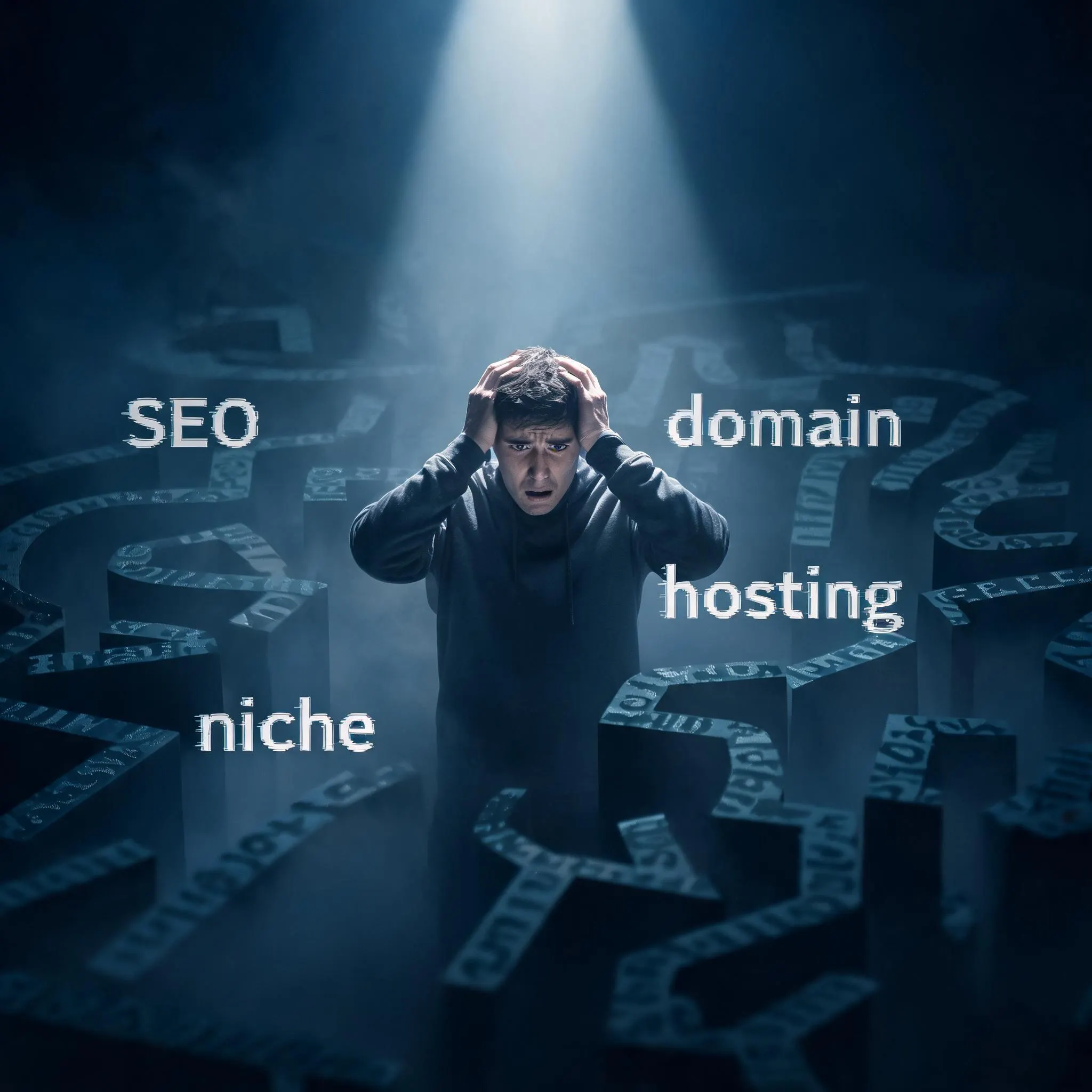
Starting a blog on your own can feel like being dropped into a city you’ve never visited without a map. There are platforms, tools, strategies, and endless opinions everywhere you look, and it quickly becomes overwhelming. That’s exactly why starting blogging with a guided system matters. When you begin with a structured approach, you’re not guessing your way through success—you’re following a tested path that reduces confusion and speeds up learning.
One of the biggest advantages of starting blogging with us is clarity. Instead of jumping between scattered tutorials or outdated advice, you get a simplified flow that focuses on what actually works today. Blogging evolves constantly, and strategies that worked a few years ago may not bring results now. A guided approach helps you avoid wasting time on ineffective tactics and instead focuses your energy on content creation, audience building, and long-term growth.
Another important reason is consistency support. Many beginners start strong but lose motivation within weeks because they don’t see immediate results. Blogging is a long-term game, and without structure, it’s easy to give up too early. When you have a system to follow, you always know what to do next—whether it’s writing your next post, optimizing old content, or sharing your work. This momentum is what separates successful bloggers from those who quit.
There’s also a major benefit in learning efficiency. Instead of spending months figuring things out through trial and error, you learn faster by focusing on proven methods. This includes understanding SEO basics, content planning, and audience engagement from the beginning. Over time, this saves not just effort but also frustration, because you’re building on solid foundations instead of guessing.
Ultimately, starting blogging with us is about reducing friction. The less friction you face at the beginning, the more likely you are to stay consistent and grow. Blogging is not about luck—it’s about direction, patience, and execution. With the right starting point, even a complete beginner can build something meaningful over time.
Benefits of Joining Our Blogging Platform
When you join a structured blogging platform or guided system, you’re not just signing up for instructions—you’re stepping into an ecosystem designed to help you grow. One of the biggest benefits is that everything is organized for you. Instead of figuring out tools, strategies, and workflows separately, you get a unified experience that connects all the pieces of blogging together in a logical way.
Another major benefit is reduced learning curve. Blogging involves multiple skills: writing, SEO, content planning, analytics, and promotion. Trying to learn all of these independently can feel like climbing multiple mountains at once. A guided platform simplifies this by introducing each skill in the right order, so you build confidence gradually instead of feeling overwhelmed.
You also gain access to structured growth strategies. Many beginners struggle not because they lack effort, but because they don’t know what to focus on. Should you write more posts? Improve SEO? Share on social media? Without direction, energy gets scattered. A proper system helps you prioritize tasks that actually move your blog forward, especially in the early stages.
There’s also emotional support in structure. Blogging can feel isolating, especially when you’re not seeing immediate results. Having a clear roadmap reduces anxiety because you always know your next step. Even when growth is slow, you can still see progress in your consistency, skills, and content library.
In the long run, these benefits compound. What starts as a simple habit of writing regularly can turn into a powerful online presence. The platform doesn’t just teach blogging—it helps you build the discipline and strategy needed to sustain it. That combination is what makes the difference between a short-term blog and a long-term success story.
Understanding Blogging Basics
Blogging sounds simple on the surface—just write and publish—but underneath that simplicity is a structure that determines whether your blog grows or disappears into the internet noise. Understanding blogging basics is like learning the rules of a game before you start playing. Without that foundation, even good content can struggle to reach readers, while well-planned content can grow steadily over time.
At its core, blogging is the act of publishing content on a website with the goal of informing, educating, entertaining, or persuading an audience. But modern blogging goes beyond writing articles. It involves understanding your audience, optimizing for search engines, and presenting content in a way that keeps readers engaged. Think of a blog as a living system where every post plays a role in building authority and trust.
One of the first things beginners need to understand is that blogging is not instant gratification. It is more like building a library than posting on social media. Each article you publish becomes a long-term asset that can bring traffic for months or even years if done correctly. This is why consistency and quality matter more than speed. A single well-written article can outperform dozens of rushed ones.
Another key basic is structure. Blogs are typically organized into posts that target specific topics or questions. These posts are often optimized using keywords so that search engines like Google can understand what your content is about. This is where SEO (Search Engine Optimization) becomes important. SEO helps your blog appear in search results when people are looking for information related to your topic.
Engagement is also a major part of blogging basics. A successful blog is not just about attracting visitors but keeping them on your page. This means writing in a way that feels conversational, easy to follow, and valuable. Readers should feel like they are learning something or gaining clarity rather than just reading information.
Once you understand these basics, blogging becomes less intimidating. Instead of seeing it as a complex technical task, you start viewing it as a creative and strategic process. You are not just writing—you are building something that grows over time and serves a real purpose for your audience.
What is Blogging
Blogging is essentially the process of sharing information, ideas, or stories through written content published on the internet. But calling it just “writing online” would be an understatement. Blogging is a dynamic form of communication that connects creators with readers across the world, often without ever meeting face-to-face.
At its simplest level, a blog post is an article published on a website. However, what makes blogging powerful is its accessibility. Anyone with internet access can start a blog, choose a topic, and begin publishing content. This democratization of publishing is what made blogging explode in popularity over the last two decades.
Blogs can cover almost any topic imaginable—technology, travel, food, education, personal development, business, and more. Some blogs are personal diaries, while others are highly professional platforms used by companies to attract customers.
This flexibility is what makes blogging so appealing. It adapts to your goals rather than forcing you into a rigid structure.
Another important aspect of blogging is its long-term visibility. Unlike social media posts that disappear quickly from feeds, blog posts can remain discoverable for years. A well-optimized article can continue attracting readers long after it’s published. This makes blogging a powerful tool for building sustainable online presence.
In modern digital strategy, blogging also plays a key role in search engine traffic. When people search for answers on Google, they are often directed to blog posts. This means your blog can act as a gateway, bringing in readers who are actively looking for the information you provide.
Understanding what blogging truly is helps shift your mindset from casual writing to strategic content creation. It becomes less about “posting something” and more about building value that lasts.
Choosing Your Blog Niche

Picking a blog niche is one of those decisions that feels small at first but quietly shapes everything that comes after. It’s like choosing the direction of a road trip—once you commit, every stop, shortcut, and detour depends on that initial direction.
A lot of beginners rush this step or skip it entirely, only to realize later that their content feels scattered or hard to grow. The truth is, a clear niche doesn’t limit you; it actually gives your blog identity and makes it easier for readers to understand why they should follow you.
A niche is simply the main topic or focus area of your blog. It could be something broad like “health” or something more specific like “home workouts for busy professionals.” The more focused your niche, the easier it becomes to attract a dedicated audience. Why? Because people don’t just follow random content—they follow solutions, perspectives, or expertise that consistently helps them with a specific need.
The challenge most beginners face is confusion between passion and profitability.
Some people pick a niche they love but struggle to monetize it. Others pick
something profitable but lose interest quickly. The sweet spot lies somewhere in the middle. A strong niche usually sits at the intersection of what you enjoy, what people are searching for, and what has long-term potential. That overlap is where sustainable blogging happens.
It also helps to think about your niche as a conversation. If you had to talk about one topic for the next year without running out of ideas, what would that be? That question alone filters out a lot of weak choices. Blogging requires consistency, and consistency is only possible when you’re not forcing yourself to create content you don’t care about.
Another important factor is competition. Many beginners assume a crowded niche is a bad choice, but that’s not necessarily true. Competition often means demand exists. The key is not avoiding competition but finding your angle within it. Even in saturated niches, there are always underserved audiences or unique perspectives waiting to be explored.
Once you choose a niche, everything else becomes easier—your content ideas, your SEO strategy, even your audience targeting. It gives your blog a backbone. Without it, your content may exist, but it won’t necessarily grow.
Finding Passion and Demand
Balancing passion and demand is where most bloggers either find clarity or fall into confusion. Passion alone can keep you motivated, but without demand, your content may struggle to reach an audience. On the other hand, demand without passion can lead to burnout because you’re constantly creating content you don’t enjoy. The real skill is identifying topics where both exist together.
Start by looking at what naturally interests you. What do you already read about, talk about, or help others with? These clues often point toward areas where passion already exists. The goal is not to force interest but to recognize it. If you enjoy learning or discussing a topic in your free time, that’s already a strong indicator.
Then comes demand. This is where research plays a role. You want to understand whether people are actively searching for content in your chosen area. Tools like search engines, forums, and trending platforms can help you see what questions people are asking. If people are searching for solutions, that’s a good sign your niche has potential.
The strongest niches are usually those where personal curiosity meets real-world need. For example, someone passionate about fitness might discover that “simple home workouts for beginners” has high search demand. That combination makes content creation both enjoyable and purposeful.
Ultimately, choosing a niche is not about finding the “perfect” idea. It’s about choosing a direction you can commit to long enough for it to grow. Blogging rewards consistency, and consistency starts with clarity.
Setting Up Your First Blog

Setting up your first blog often feels like the most technical part of the journey, but it doesn’t have to be complicated. In reality, it’s just a series of small steps that connect your idea to the internet. Think of it like building a small digital home where your content will live. Once the structure is in place, everything else—writing, design, and growth—becomes much easier to manage.
The first thing to understand is that a blog needs two main components: a domain and hosting. Your domain is your website address, like yourblog.com. Hosting is the space where your blog files are stored so people can access them online. Without hosting, your website has nowhere to exist; without a domain, people don’t know how to find you. Together, they form the foundation of your blog.
Many beginners overthink this step, worrying about choosing the “perfect” name or the “best” platform. In reality, what matters most is getting started. Your domain doesn’t need to be perfect—it just needs to be relevant and easy to remember. The same applies to hosting. You don’t need the most expensive plan when starting out; you just need something reliable enough to keep your blog running smoothly.
Once your domain and hosting are set up, the next step is installing a blogging platform. This is where you actually build and manage your content. Platforms like WordPress are popular because they offer flexibility and control. They allow you to publish posts, design your site, and optimize for search engines without needing advanced technical skills.
After installation, you’ll be introduced to your dashboard. This is essentially your control center. From here, you can create your first post, choose a theme, and start shaping the appearance of your blog. At first, it might feel unfamiliar, but with a little exploration, it becomes intuitive.
The setup phase is not about perfection—it’s about activation. Your goal is to move from idea to execution as quickly as possible. Once your blog is live, you’ve already crossed one of the biggest mental hurdles: starting.
Domain and Hosting Basics
Understanding domain and hosting is crucial because they form the backbone of your entire blog. Without them, your content has no permanent place on the internet. A domain is your digital identity, while hosting is your digital storage space.
Together, they make your blog accessible to anyone in the world.
A domain name should ideally reflect your blog’s purpose. It doesn’t need to be overly creative or complex. In fact, simplicity often works better because it’s easier for readers to remember and type. Think of it as your brand label—short, clear, and relevant. Avoid overly long names or complicated spellings that can confuse your audience.
Hosting, on the other hand, is where your blog physically “lives” online. When someone visits your website, the hosting server delivers your content to their browser. Good hosting ensures your site loads quickly, stays secure, and remains accessible without downtime. These factors matter more than beginners often realize because slow or unreliable websites can lose visitors quickly.
There are different types of hosting, but beginners usually start with shared hosting because it’s affordable and easy to manage. As your blog grows, you can upgrade to more powerful options. The key is not to overcomplicate things at the beginning.
Focus on getting your blog live and functional first.
Once both domain and hosting are connected, your blog becomes officially accessible on the internet. That moment is significant—it turns your idea into something real. From there, everything shifts from setup to creation.
Content Creation Strategy
Content creation is where blogging stops being theoretical and becomes real. It’s the part where your ideas turn into something people can read, search for, and benefit from. Many beginners assume content creation is just “writing posts,” but in reality, it’s closer to building a system of value. Each article should serve a purpose—answer a question, solve a problem, or guide someone through a process. Without that intention, content tends to feel random, and random blogs rarely grow in a meaningful way.
A strong content strategy begins with planning. Instead of waking up and wondering what to write, you build a roadmap of topics that connect to your niche. This is where many bloggers make a critical mistake: they focus on individual posts instead of the bigger structure. Think of your blog like a puzzle. Each article is a piece, but the full picture only makes sense when everything connects logically.
That connection is what helps search engines understand your authority and helps readers trust your expertise.
Another important part of content creation is understanding search intent. Not all readers are looking for the same thing. Some want quick answers, others want detailed guides, and some are comparing options before making decisions. When your content matches what people are actually searching for, it naturally performs better. This is why keyword research matters, but more importantly, why understanding the “why” behind a search matters even more.
Consistency also plays a huge role. Blogging rewards repetition. Publishing one good article is a start, but building momentum comes from publishing regularly.
Over time, your blog becomes a growing library of content that continuously attracts visitors. The key is not to aim for perfection in every post but to aim for steady improvement. Each article teaches you something that improves the next one.
It also helps to think of content as conversation rather than performance. You’re not writing to impress—you’re writing to help. When you adopt that mindset, your tone becomes more natural, your explanations clearer, and your content more relatable.
Readers can sense when content is written for them versus written just to rank on search engines.
Over time, your content strategy becomes your blog’s identity. It defines what you talk about, how you explain things, and why people keep coming back.
Writing Your First Post
Writing your first blog post is often the moment where excitement meets hesitation. You might have the platform ready, the niche selected, and even some ideas floating in your mind—but sitting down to actually write can feel strangely intimidating. The pressure to “get it right” often slows beginners down more than lack of skill ever does. The truth is, your first post doesn’t need to be perfect; it just needs to exist.
Publishing it is what turns you from someone planning a blog into someone actually running one.
A good first post usually focuses on something simple within your niche. It doesn’t have to be groundbreaking or deeply technical. Instead, think of it as an introduction to your blog’s purpose and tone. You’re essentially telling readers, “Here’s what this space is about, and here’s how it can help you.” This gives your blog direction and sets expectations for future content.
Structurally, it helps to start with a clear introduction, followed by a few focused sections that expand on your topic. Each section should stay centered on one idea rather than jumping between multiple points. Clarity matters more than complexity.
Readers should feel like they are being guided through your thoughts, not decoding them.
Another important aspect is tone. Writing in a natural, conversational style helps your content feel more human and approachable. You don’t need overly formal language or complicated vocabulary. In fact, simpler writing often performs better because it’s easier to read and understand. Imagine explaining your topic to a friend—that’s usually the right level of simplicity.
Finally, remember that your first post is not your final product. It’s a starting point. Blogging improves through repetition, not perfection. Once you publish your first article, you immediately begin learning what works, what feels natural, and what your audience responds to.
Growing Your Audience
Publishing content is only half the journey—getting people to actually read it is where growth begins. Growing an audience is often misunderstood as a sudden spike in traffic, but in reality, it’s a gradual process built on consistency, visibility, and trust. At the beginning, it might feel like no one is reading your blog, and that’s normal. Every successful blog starts with almost zero readers. The difference is what happens next.
One of the most effective ways to grow your audience is through search engines.
When your content is optimized correctly, it can appear in Google search results when people look for answers. This is why SEO plays such a crucial role in blogging. Instead of chasing readers, SEO allows readers to find you naturally. Over time, this creates a steady flow of organic traffic that doesn’t rely on constant manual promotion.
Another important channel is social media. Platforms like Instagram, X (Twitter), LinkedIn, or Pinterest can help you distribute your content and reach new audiences.
The key here is not to treat social media as the main platform, but as a support system that drives people back to your blog. Each post you publish becomes an opportunity to share value and invite readers to explore more.
Engagement also plays a major role in audience growth. When readers leave comments or interact with your content, it signals that your blog is building a community. Responding to feedback, updating posts, and showing consistency all contribute to building trust. And trust is what turns casual visitors into returning readers.
Audience growth is not about viral moments—it’s about repeated exposure. The more valuable content you publish, the more chances people have to discover you. Over time, small gains accumulate into significant growth.
Social Media Promotion
Social media promotion is one of the most accessible ways to bring attention to your blog, especially when you’re just starting out. Unlike search engine traffic, which takes time to build, social platforms allow you to share your content instantly and reach people where they already spend their time. But effective promotion is not just about dropping links everywhere—it’s about presenting your content in a way that makes people curious enough to click.
Each platform has its own style. On X, short insights or thought-based posts work well. On Instagram, visuals combined with captions can attract attention. On LinkedIn, more professional or educational content performs better. Understanding these differences helps you adapt your message instead of copying and pasting the same promotion everywhere.
The key to successful social media promotion is value-first sharing. Instead of saying “read my blog,” focus on sharing a useful idea or insight from your article. Then naturally guide people to the full post if they want more depth. This approach feels less like marketing and more like conversation, which is far more effective in building interest.
Consistency matters here as well. One post won’t build an audience, but regular sharing builds recognition. Over time, people begin to associate your name or profile with useful content in your niche. That familiarity is what gradually drives traffic back to your blog.
Monetization Methods
Once your blog starts gaining traction, the next natural question is how to turn it into something that generates income. Monetization in blogging is not instant, and it definitely shouldn’t be the starting focus, but it becomes a powerful outcome of consistent effort. The more valuable content you create, the more opportunities you unlock for earning through your blog.
One of the most common monetization methods is display advertising. This involves placing ads on your blog and earning revenue based on impressions or clicks. While it’s relatively passive, it usually requires a decent amount of traffic before it becomes meaningful. That’s why it’s often considered a long-term strategy rather than an immediate income source.
Another popular method is affiliate marketing. This involves recommending products or services and earning a commission when someone makes a purchase through your referral link. The key here is trust. Readers are more likely to act on recommendations when they believe your content is honest and helpful rather than purely promotional. That’s why integrating affiliate links naturally within useful content tends to perform best.
There are also direct monetization options like selling digital products, courses, or services. This approach gives you more control over income because you’re not relying on third-party platforms. However, it also requires building authority in your niche so that people trust your expertise enough to buy from you.
Monetization works best when it feels like a natural extension of your content rather than the main focus. A blog that prioritizes value first and revenue second tends to build stronger long-term success.
Ads and Affiliate Marketing
Ads and affiliate marketing are two of the most widely used strategies for turning a blog into a revenue-generating platform, but they work in very different ways.
Understanding how each one functions helps you decide how to use them effectively without overwhelming your content or your readers.
Display ads are typically placed on your blog through ad networks. You earn money when visitors view or click on those ads. While this method is relatively hands-off, it depends heavily on traffic volume. That means you need a steady stream of visitors before ads become a significant income source. The advantage is scalability—once set up, it runs in the background as your blog grows.
Affiliate marketing, on the other hand, is more active and strategic. You promote products or services related to your niche and earn a commission when someone makes a purchase through your link. The key to success here is relevance. If you’re writing about something your audience genuinely cares about, recommendations feel natural rather than forced.
Both methods work best when combined with high-quality content. Without valuable articles, ads won’t get clicks and affiliate links won’t convert. That’s why content remains the foundation of monetization.
Common Blogging Mistakes
Every blogger, no matter how successful they eventually become, goes through a phase of mistakes. The difference is that some learn from them quickly while others repeat them until they lose motivation. Understanding common blogging mistakes early can save you months of frustration and help you grow more efficiently.
One of the biggest mistakes is inconsistency. Many beginners start with enthusiasm, publishing multiple posts in the first week, and then gradually slow down or stop completely. Blogging doesn’t reward bursts of effort; it rewards steady, long-term commitment. Even a simple routine of publishing one post per week can outperform irregular bursts of activity.
Another common issue is ignoring SEO. Some bloggers focus entirely on writing without considering how readers will actually find their content. While writing quality matters, visibility matters just as much. Without SEO, even great content can remain undiscovered.
Many beginners also try to cover too many topics at once. This leads to a scattered blog that confuses both readers and search engines. Staying within a defined niche helps build authority and clarity.
Finally, impatience is a silent killer in blogging. Expecting fast results often leads to disappointment. Blogging is a gradual process, and those who stay consistent long enough are the ones who eventually succeed.
Consistency Issues
Consistency is one of the most underestimated factors in blogging success. Many people assume that writing skill or topic selection is the most important part, but in reality, consistency is what ties everything together. Without it, even the best ideas fail to reach their potential.
The challenge with consistency is not knowing what to do—it’s doing it repeatedly over time. At the beginning, motivation is high, but as results take time to appear, enthusiasm naturally fades. This is where structure becomes important. Having a clear publishing schedule or content plan removes the need to constantly decide what to do next.
Consistency also builds trust with both readers and search engines. When new content appears regularly, readers know they can rely on your blog for updates. Similarly, search engines recognize active blogs and are more likely to index and rank their content.
Tools and Resources
Blogging becomes significantly easier when you use the right tools. While tools don’t replace skill or strategy, they simplify tasks and help you focus more on content creation rather than technical difficulties. From writing to SEO to analytics, the right resources can improve both efficiency and quality.
Writing tools help you organize and refine your content. Grammar checkers, readability tools, and content editors ensure that your articles are clear and professional. SEO tools help you identify keywords, analyze competition, and optimize your content for search visibility. Analytics tools show you how your blog is performing, which posts are attracting traffic, and where improvements are needed.
The goal of using tools is not complexity but simplicity. They should make blogging easier, not more confusing.
Writing Tools
Writing tools are essential for turning raw ideas into polished blog posts. They help you structure your thoughts, correct mistakes, and improve readability. Even experienced writers rely on tools to enhance their workflow.
At the basic level, simple editors like document processors are enough to start writing. As you grow, tools that check grammar, suggest improvements, and analyze readability become useful. These tools don’t replace your voice—they refine it.
Over time, writing tools become part of your natural workflow, helping you produce clearer and more engaging content with less effort.
Final Motivation
Blogging is not a shortcut to quick success, but it is one of the most reliable ways to build long-term digital presence. The beginning may feel slow, and progress may seem invisible at times, but every article you publish adds to something larger. You are not just writing posts—you are building an archive of knowledge that can continue to grow and reach people over time.
What matters most is staying in motion. Many blogs fail not because the ideas are bad, but because they are abandoned too early. If you keep publishing, keep improving, and keep learning from each step, your blog naturally evolves. It becomes stronger, clearer, and more impactful with time.
Blogging rewards patience more than speed. The ones who stay consistent long enough are the ones who eventually see real results.

Conclusion
Starting blogging with a structured approach removes much of the confusion that beginners face. From choosing a niche to publishing content and growing an audience, every step builds on the previous one. Blogging is less about instant success and more about steady progression. When you understand the basics, stay consistent, and focus on value, your blog becomes a long-term asset rather than just a hobby.
FAQs
1. How long does it take to start earning from blogging?
It depends on consistency, niche, and strategy, but most blogs take several months before generating meaningful income.
2. Do I need technical skills to start a blog?
No, modern platforms make it easy to start a blog without coding or advanced technical knowledge.
3. How often should I publish blog posts?
A consistent schedule, such as one post per week, is more effective than irregular publishing.
4. Can blogging still work in 2026?
Yes, blogging remains highly effective, especially when combined with SEO and content strategy.
5. What is the most important factor in blogging success?
Consistency and valuable content are the two most important factors for long-term success.
🔍 Want to find the best keywords and rank this article faster?
Try the #1 SEO & AI visibility toolkit free for 14 Days
. Track your keyword rankings, audit your site, and monitor your AI search visibility on ChatGPT, Gemini & Google AI Overviews
👉 Try Pro Article Writer (Free)
— Generate, Edit, and Humanize at scale.
⭐ If this GPT helped you, please leave a rating on the GPT Store!
Explore more on my Patreon
Read also:
⭐ How to create a video... in under 5 minutes
⭐ Start blogging with us: A Beginner-Guide Path
⭐ 10 Best Free Blogging Sites to Start Your Writing Journey in 2026
⭐
⭐
⭐
⭐
.