
How to start a blog in 2026
How to start a blog in 2026
Apr 26, 2026
A blog in 2026 is a digital publishing platform used to share content, build authority, and generate income through SEO, affiliate marketing, and digital products.
Quick Answer:
Starting a blog in 2026 requires choosing a niche, buying a domain, setting up WordPress, publishing SEO-optimized content, and promoting through search and social channels.

Starting a blog in 2026 feels a little different than it did even a few years ago. The internet has become louder, AI tools are everywhere, social media algorithms change overnight, and attention spans are shorter than ever. Yet blogging continues to thrive. Why? Because people still crave authentic experiences, useful information, and trustworthy voices. A well-built blog is no longer just an online diary; it’s a digital asset, a personal brand, a business engine, and sometimes even a full-time career.
Think of a blog like owning virtual real estate. Every article you publish becomes another doorway people can use to discover your ideas, products, expertise, or services. Unlike social media posts that disappear within hours, blog content can attract visitors for years. One useful article can continue bringing traffic while you sleep, travel, or work on other projects. That’s the beauty of blogging in the modern era—it compounds over time.
The biggest shift in 2026 is that successful blogging now requires a smarter approach. Simply writing random articles and hoping for traffic rarely works anymore. Search engines prioritize experience, authority, and helpfulness. AI-generated fluff is flooding the web, making human-centered content more valuable than ever. Readers instantly recognize generic writing, and they bounce away just as fast. Blogs that win today combine SEO strategy, storytelling, practical expertise, and audience trust.
Another reason blogging remains powerful is diversification. Creators are learning not to rely solely on platforms like TikTok, Instagram, or YouTube. Algorithms can crush visibility overnight. A blog gives you ownership. Your email list, content library, and website belong to you. That stability is incredibly important in a constantly shifting digital world.
Starting a blog might seem technical at first, but it’s surprisingly manageable when broken into steps. You don’t need to be a developer, designer, or marketing expert. You just need clarity, consistency, and the willingness to learn. This guide walks through everything—from choosing a niche to making money—so you can build a blog that actually grows in 2026 instead of becoming another forgotten website floating in the corners of the internet.
Why Blogging Still Matters in 2026

People often ask whether blogging is dead. The short answer? Not even close. Blogging has simply evolved. In fact, the rise of AI search engines, voice assistants, and personalized search results has increased the demand for authoritative written content. Blogs remain one of the strongest ways to build online visibility because search engines still rely heavily on text-based information to understand expertise and context.
What changed is the purpose of blogging. Years ago, many bloggers focused purely on journaling or sharing opinions. Today, blogs solve problems. Readers search for answers, tutorials, recommendations, comparisons, and insights. Businesses use blogs to attract customers organically instead of paying endlessly for ads. Freelancers use blogs to showcase expertise. Coaches use blogs to build trust. E-commerce stores use blogs to rank product-related keywords. The applications are nearly endless.
The Evolution of Blogging in the AI Era
AI has dramatically changed content creation, but it hasn’t replaced genuine human insight. If anything, AI-generated content saturation has created a stronger demand for originality. Readers can sense when an article lacks personality or real-world understanding. Search engines are also becoming more sophisticated at identifying shallow content designed only for rankings.
The winning strategy in 2026 is using AI as an assistant rather than a replacement. Smart bloggers use AI tools for brainstorming, outlines, optimization, and research support, but they still inject human experiences, opinions, examples, and storytelling into their articles. That human layer creates trust, and trust is the currency of the modern internet.
AI search experiences like Google AI Overviews and conversational search tools also pull information from well-structured, authoritative blog posts. This means blogs are no longer competing only for clicks; they are competing to become trusted data sources. Bloggers who write deeply useful content can gain visibility across multiple AI-powered ecosystems.
How Blogs Generate Income Today
Blogging income has diversified massively. Display ads are only one piece of the puzzle now. Successful bloggers often combine multiple revenue streams into a single ecosystem. A travel blog might earn through affiliate links, sponsored content, digital products, and email marketing simultaneously.
Here’s a quick comparison of popular blogging monetization methods in 2026:
| Monetization Method | Best For | Income Potential |
|---|---|---|
| Affiliate Marketing | Product-focused blogs | High |
| Display Ads | High traffic sites | Medium |
| Digital Products | Experts & educators | Very High |
| Sponsored Posts | Influencer-style blogs | Medium to High |
| Membership Communities | Loyal audiences | High |
| Coaching/Consulting | Professional niches | Very High |
One of the most attractive aspects of blogging is scalability. A single article can generate affiliate commissions for years. An ebook can sell repeatedly without additional production costs. Unlike traditional jobs, blogging allows effort to compound over time. The early months may feel slow, but momentum eventually builds like a snowball rolling downhill.
Choosing the Right Blog Niche
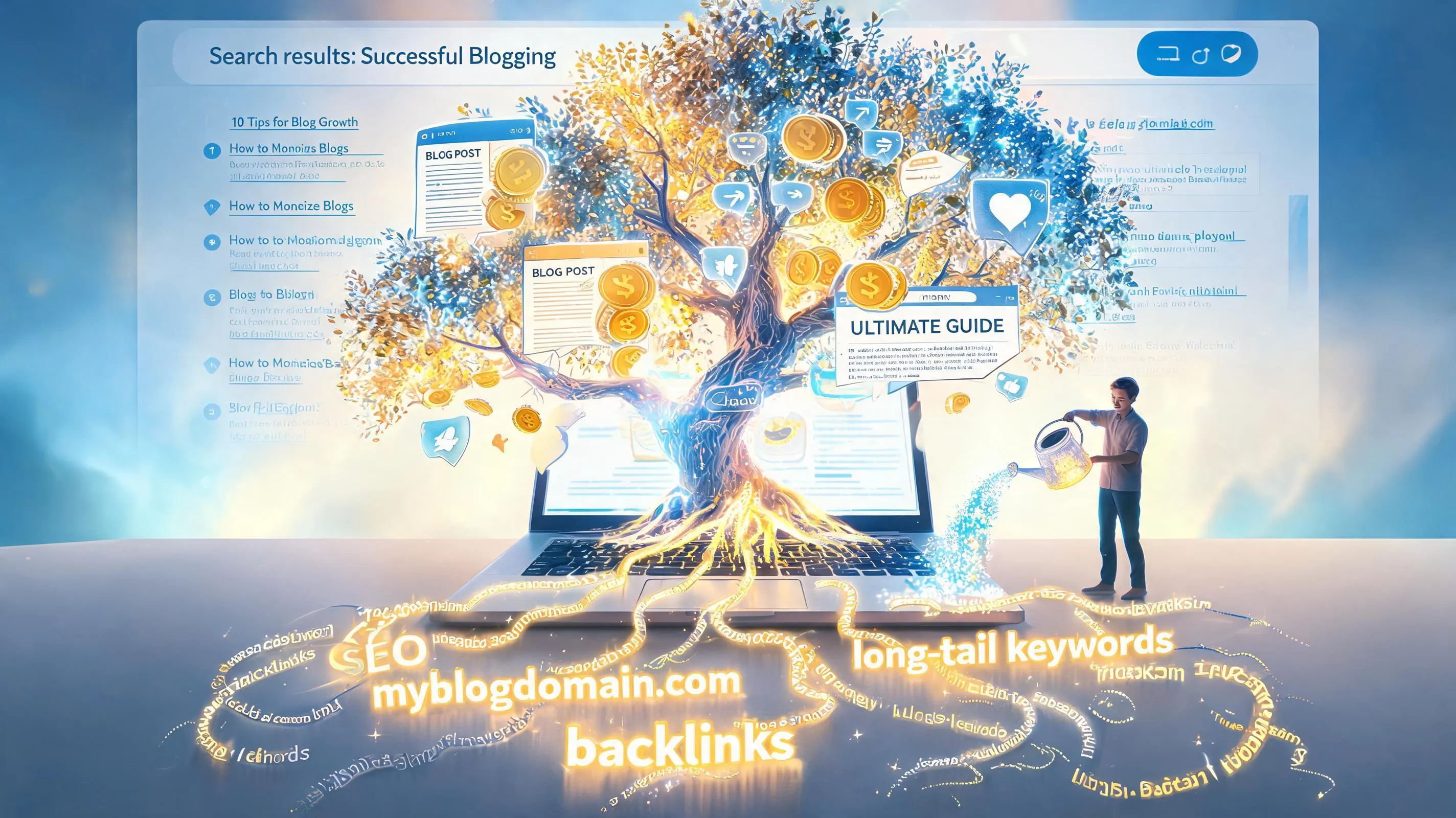
Your niche determines nearly everything about your blog’s future: audience, monetization opportunities, competition level, and content strategy. Choosing randomly is like opening a restaurant without deciding what food you serve. A focused niche helps readers instantly understand why they should follow you.
A common mistake beginners make is choosing niches purely based on passion without considering demand. Passion matters, but sustainability matters too. A profitable niche sits at the intersection of interest, expertise, and audience demand. You don’t need to be the world’s leading expert, but you should know enough—or be willing to learn enough—to provide consistent value.
Evergreen vs Trending Niches
Evergreen niches remain relevant year after year. Examples include health, personal finance, relationships, productivity, technology, and career development. These topics consistently attract search traffic because human problems rarely disappear.
Trending niches, on the other hand, can explode quickly but fade just as fast. AI tools, crypto projects, viral apps, and emerging tech categories often experience massive spikes followed by declines. Trend-focused blogs can succeed rapidly, but they require adaptability and constant content updates.
The strongest blogging strategy often blends both approaches. Evergreen content creates long-term stability, while trend content captures bursts of traffic and visibility. Imagine your blog as a tree: evergreen articles form the trunk, while trending posts become the fast-growing branches.
Finding a Profitable Blogging Angle
Competition exists in almost every niche now, so differentiation matters. Instead of creating a broad “fitness blog,” narrow it into something more specific like fitness for busy parents, minimalist home workouts, or strength training after 40. Specificity makes your blog memorable.
Ask yourself these questions:
- What problems can I help solve?
- What experiences do I have that others may find useful?
- What audiences are underserved?
- What topics can I consistently discuss for years?
Successful bloggers often build authority by documenting journeys rather than pretending to know everything. Readers love transparency and growth. A beginner learning investing can attract an audience of fellow beginners because the journey feels relatable and authentic.
Picking a Blog Name and Domain
Your blog name becomes your online identity, so it deserves careful thought. A strong domain name feels memorable, easy to spell, and relevant to your niche without sounding overly restrictive. Many new bloggers overcomplicate this process by trying to invent something ultra-creative, but simplicity usually wins. Think about some of the biggest brands online today. Most are short, clean, and easy to recall after hearing them once.
In 2026, branding matters more than ever because blogs no longer exist in isolation. Your blog name may also become your YouTube channel, podcast title, newsletter brand, or social media identity. That’s why flexibility is valuable. A name like “HealthyLivingHub” gives you room to grow, while “KetoSmoothieRecipesOnly” traps you into one tiny category forever. Choosing something scalable allows your content strategy to evolve naturally over time.
Another important factor is trust. Readers subconsciously judge websites within seconds. Spammy-looking domains stuffed with keywords can instantly reduce credibility. Years ago, exact-match domains dominated SEO, but modern search engines prioritize quality and user experience over keyword manipulation. A clean brandable domain often performs better long-term because users remember it and are more likely to share it.
Tips for Choosing a Memorable Domain
A good domain should pass what marketers sometimes call the “radio test.” If someone hears it spoken aloud, they should easily spell and remember it afterward. Avoid complicated spellings, unnecessary hyphens, numbers, or slang that may confuse visitors. Simplicity creates frictionless sharing, and friction is the enemy of growth online.
Strong blog names usually have one or more of these qualities:
| Quality | Why It Matters |
|---|---|
| Short Length | Easier to remember |
| Clear Pronunciation | Better word-of-mouth sharing |
| Brandability | More professional appearance |
| Broad Flexibility | Allows future expansion |
| Emotional Appeal | Builds audience connection |
Domain extensions also matter. While .com remains the gold standard, newer extensions like .blog, .co, and .io have become increasingly accepted. Still, if the .com version is available at a reasonable price, it’s usually worth securing because people naturally default to it.
You should also check social media availability before finalizing your name. Consistent branding across platforms strengthens discoverability. Imagine building momentum on your blog only to discover someone else already owns the matching Instagram and YouTube handles. That disconnect creates confusion and weakens your overall brand identity.
Common Naming Mistakes to Avoid
One of the biggest mistakes new bloggers make is chasing trends too aggressively. A trendy blog name might feel exciting today but outdated within two years. Names tied too closely to specific technologies or slang often age poorly. Longevity should always outweigh short-term cleverness.
Another mistake is narrowing the niche too early. Many bloggers evolve over time. Someone starting with meal prep content may later expand into wellness, productivity, or lifestyle topics. A highly restrictive domain can become limiting and force an expensive rebrand later. Rebranding isn’t impossible, but it can disrupt SEO rankings, confuse readers, and create unnecessary work.
Keyword stuffing is another issue. Domains like “bestcheapfitnessweightlossplans.com” look spammy and untrustworthy. Search engines have matured significantly and no longer reward awkward keyword-heavy names the way they once did. Modern SEO values authority, content quality, user engagement, and expertise far more than domain keywords alone.
Finally, don’t spend months obsessing over the “perfect” name. Many successful bloggers started with names they later grew into emotionally. Momentum matters more than perfection. Your content quality, consistency, and audience connection ultimately shape your brand far more than the domain itself.
Selecting the Best Blogging Platform
Choosing the right blogging platform is like selecting the foundation for a house. A weak foundation creates problems later, while a flexible and scalable platform supports long-term growth. In 2026, there are more blogging tools available than ever before, ranging from beginner-friendly drag-and-drop systems to highly customizable professional platforms.
The reality is that most successful bloggers still gravitate toward WordPress.org because of its flexibility, ownership, and scalability. It powers a massive percentage of websites worldwide for good reason. You fully control your content, monetization methods, design, plugins, and SEO strategy. That level of ownership matters when building a serious digital asset.
Other platforms like Wix, Squarespace, Ghost, and Substack also offer attractive features, especially for beginners who prioritize simplicity. The right choice depends on your goals. If you want minimal technical management and quick setup, simpler platforms can work. If you plan to scale aggressively, monetize heavily, and optimize deeply for SEO, WordPress remains difficult to beat.
WordPress vs Other Platforms
Here’s a comparison of popular blogging platforms in 2026:
| Platform | Best For | Pros | Cons |
|---|---|---|---|
| WordPress.org | Serious bloggers & businesses | Full control, strong SEO | Slight learning curve |
| Wix | Beginners | Easy setup | Limited scalability |
| Squarespace | Portfolio & lifestyle blogs | Beautiful design templates | Less SEO flexibility |
| Ghost | Writers & newsletters | Fast and clean | Smaller ecosystem |
| Substack | Newsletter-first creators | Built-in audience tools | Limited website customization |
WordPress dominates because it adapts to nearly any blogging style. Whether you’re launching a niche affiliate blog, personal brand, membership site, or digital magazine, WordPress can handle it. Thousands of plugins also allow advanced customization without needing coding expertise.
One overlooked factor is migration difficulty. Some platforms make it surprisingly hard to move your content later. Starting on a scalable system from the beginning saves headaches down the road. Switching platforms after building hundreds of articles can become messy and risky for SEO rankings.
Must-Have Features in 2026
Modern blogging platforms must support more than simple publishing. AI-assisted search optimization, mobile responsiveness, page speed, structured data integration, and multimedia compatibility are now essential features. Search engines increasingly reward websites that provide smooth user experiences across all devices.
Your platform should support:
- Fast loading speeds
- Mobile-first design
- SEO customization
- Email marketing integrations
- AI optimization tools
- Security and backups
- Flexible monetization options
Speed deserves special attention. Readers abandon slow websites quickly, and search engines use page speed as a ranking factor. A delay of even one or two seconds can reduce engagement significantly. Think of your blog like a storefront. If visitors struggle to open the door, many won’t bother entering.
Security also matters more now because cyber threats continue evolving. Strong hosting, SSL certificates, plugin management, and backups protect both your site and audience trust. Losing years of content due to poor security is every blogger’s nightmare.
Hosting and Website Setup
Web hosting is essentially your blog’s home on the internet. Without hosting, your website cannot exist online. Beginners often underestimate the importance of good hosting because many companies advertise extremely cheap plans that sound irresistible. But poor hosting can create slow loading times, crashes, weak security, and frustrating downtime that damages both SEO and user experience.
Reliable hosting acts like a stable foundation beneath your entire blogging business. Imagine opening a physical coffee shop where customers constantly find locked doors or painfully slow service. They wouldn’t return. The same principle applies online. Readers expect websites to load almost instantly, especially on mobile devices where patience is even shorter.
How to Choose Reliable Hosting
In 2026, hosting quality directly impacts search rankings, user engagement, and monetization performance. Cheap hosting may save a few dollars initially, but it often costs more later through lost traffic and technical issues. Good hosting providers prioritize speed optimization, uptime reliability, scalability, and customer support.
Key hosting factors include:
| Hosting Feature | Why It Matters |
|---|---|
| Uptime Guarantee | Keeps your blog accessible |
| Fast Servers | Improves SEO and user experience |
| Customer Support | Helps solve issues quickly |
| Security Features | Protects your site from attacks |
| Scalability | Handles traffic growth smoothly |
Managed WordPress hosting has become especially popular because it simplifies technical maintenance. Providers handle updates, security, caching, and backups automatically, allowing bloggers to focus more on content creation rather than server management.
Another growing trend is environmentally conscious hosting. Many users now value sustainability, and some hosting companies operate using renewable energy. While this may not directly affect SEO, it can positively influence brand perception among environmentally aware audiences.
Essential Blog Setup Steps
After purchasing hosting and a domain, the setup process becomes surprisingly straightforward. Most hosting companies now offer one-click WordPress installation, dramatically simplifying what once required technical expertise. Within minutes, your blog framework can be live online.
Your initial setup checklist should include:
- Installing WordPress
- Choosing a lightweight SEO-friendly theme
- Setting up SSL security
- Configuring permalink structures
- Installing essential plugins
- Creating core pages
- Connecting analytics tools
Choosing the right theme matters more than flashy visuals. Many beginners install overloaded themes packed with animations and unnecessary features that slow down performance. Clean, fast, mobile-responsive themes almost always outperform visually cluttered designs in both SEO and user engagement.
Analytics setup is another critical early step. Tools like Google Analytics and Google Search Console provide invaluable insights into traffic sources, user behavior, rankings, and technical performance. Blogging without analytics is like driving blindfolded. Data reveals what’s working so you can improve strategically instead of guessing.
One smart move in 2026 is implementing email capture systems immediately, even before traffic grows. Email remains one of the highest-converting digital marketing channels because it creates direct audience ownership independent of social media algorithms. A small but engaged email list often becomes far more valuable than large but passive social media followings.
Designing a Blog That Keeps Readers Engaged
A blog’s design silently communicates trust before visitors read a single sentence. People form opinions about websites within seconds, and those impressions heavily influence whether they stay or leave. In 2026, readers expect fast, visually clean, mobile-friendly experiences. A cluttered layout filled with popups, distracting animations, or confusing navigation feels exhausting. Good blog design doesn’t scream for attention; it guides visitors naturally like a well-organized bookstore where every section feels easy to explore.
Many beginner bloggers focus too heavily on aesthetics while ignoring usability. A beautiful website that frustrates users still fails. Design should support readability and engagement above everything else. Readers visit blogs for information, solutions, entertainment, or inspiration—not to fight through chaotic layouts. Think of your blog like a conversation. If the environment feels welcoming and comfortable, people stay longer and listen more closely.
Typography plays a surprisingly important role in reader retention. Tiny fonts, poor spacing, and harsh color contrasts create visual fatigue. Clean typography improves comprehension and makes long-form articles feel approachable. Since blogging success increasingly depends on time-on-page and user interaction metrics, readability directly affects SEO performance as well.
Mobile-First Blog Design
Mobile traffic dominates the internet now. Most blog readers discover content through smartphones, meaning mobile-first design is no longer optional—it’s foundational. Search engines prioritize mobile usability heavily because they want to deliver experiences users actually enjoy.
A mobile-friendly blog should include:
- Responsive layouts
- Fast image loading
- Easy navigation menus
- Clickable buttons with proper spacing
- Readable font sizes
- Minimal intrusive popups
Slow mobile experiences are especially dangerous. Research consistently shows that users abandon websites quickly when pages take too long to load. Every extra second creates friction. Imagine waiting at a vending machine that takes thirty seconds to respond after pressing a button. Most people would walk away before getting anything.
Another growing factor is accessibility. Inclusive design helps all users, including those with visual impairments or navigation limitations. Features like alt text, keyboard navigation compatibility, and proper heading structures improve both usability and SEO simultaneously. Search engines increasingly reward websites that prioritize accessibility because they align with broader user satisfaction goals.
User Experience and SEO Connection
SEO and user experience are deeply connected now. Search engines analyze engagement signals like bounce rate, dwell time, and interaction quality to evaluate content usefulness. This means design decisions directly influence rankings.
Here’s how user experience affects SEO:
| UX Element | SEO Impact |
|---|---|
| Fast Loading Speed | Higher rankings |
| Mobile Responsiveness | Better mobile visibility |
| Clear Navigation | Improved crawlability |
| Readability | Longer session duration |
| Internal Linking | Better indexing and engagement |
Internal linking deserves special attention because it keeps readers exploring your content ecosystem. A well-structured blog naturally guides users from one helpful article to another, increasing session duration and strengthening topical authority. Think of internal links as pathways inside a museum guiding visitors deeper into the experience.
Whitespace also matters more than many bloggers realize. Crowded pages create mental fatigue. Strategic spacing improves focus and makes long-form content easier to consume. The best blog designs often feel effortless because they remove friction rather than adding unnecessary visual complexity.
Creating Content That Ranks on Google and AI Search
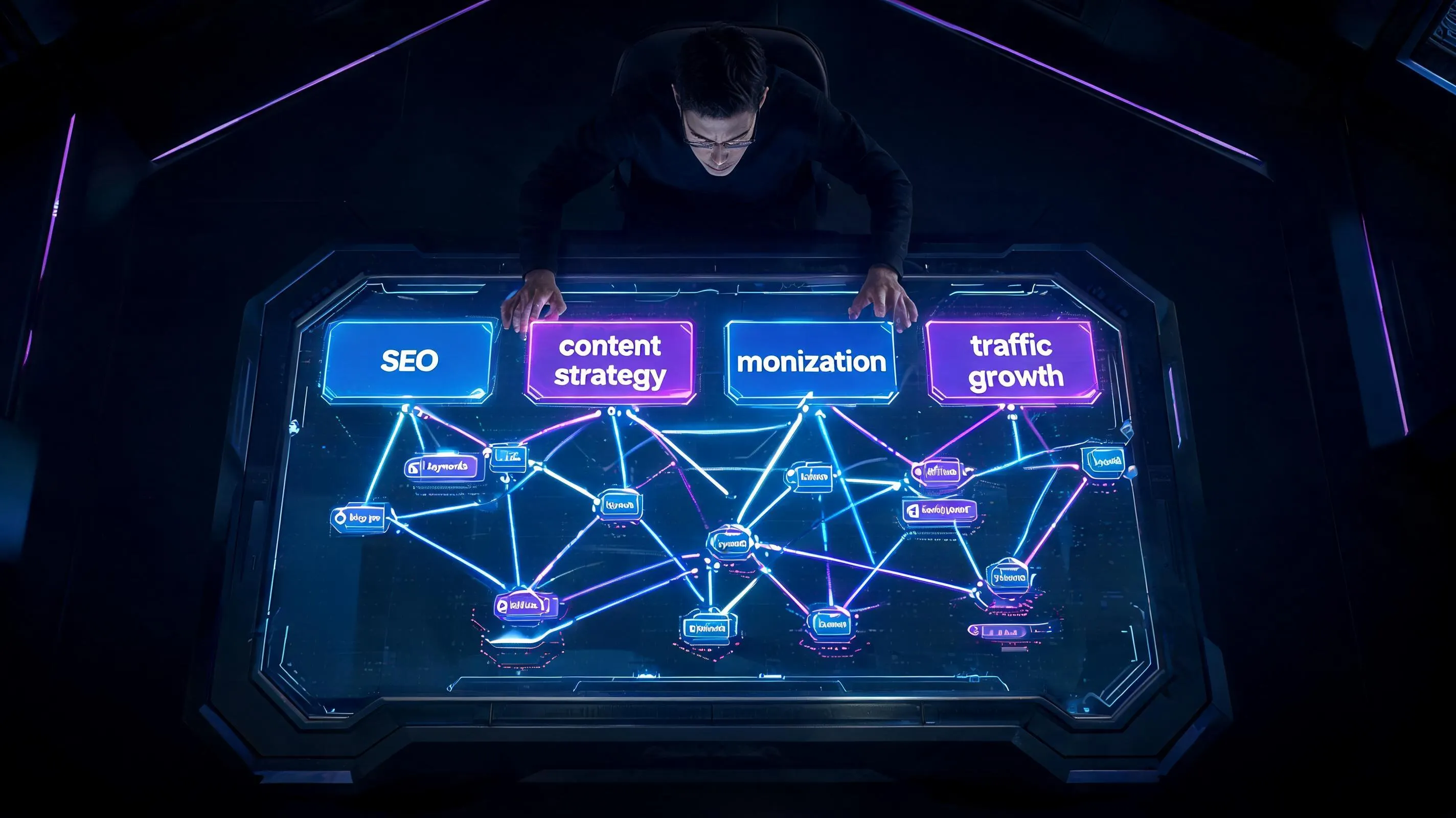
Content remains the heart of blogging, but the rules of content creation have evolved dramatically. In 2026, publishing random keyword-stuffed articles no longer works consistently. Search engines and AI systems prioritize expertise, depth, usefulness, originality, and trustworthiness. Thin content struggles to survive because the internet is already flooded with low-value information.
Modern blog content must serve both humans and algorithms simultaneously. That balance is critical. Articles should answer real questions comprehensively while remaining engaging enough that readers actually finish them. Search engines increasingly measure user satisfaction through behavioral signals, so genuinely helpful content performs better over time.
One major shift is the rise of AI-powered search experiences. Users increasingly receive summarized answers directly inside search engines or conversational AI tools. This means blogs must become authoritative enough to serve as trusted source material. Surface-level writing often gets ignored because AI systems prioritize detailed, structured, and context-rich information.
Keyword Research in 2026
Keyword research still matters, but strategy has become more nuanced. Instead of obsessing over exact-match phrases, successful bloggers focus on search intent and topical relevance. Search engines understand semantics far better now. They evaluate whether content comprehensively addresses user needs rather than simply repeating keywords.
Modern keyword research involves identifying:
- User problems
- Search intent
- Related subtopics
- Question-based searches
- Conversational phrases
- AI-search visibility opportunities
Tools like Semrush, Ahrefs, and Google Search Console remain valuable for uncovering traffic opportunities. AI-assisted research tools also help identify emerging trends and content gaps before they become highly competitive.
Long-tail keywords continue performing especially well because they target specific user intent. For example, “how to start a travel blog for passive income” attracts more qualified readers than simply targeting “travel blog.” Specificity filters audiences more effectively and often converts better.
Topic clustering has also become increasingly important. Instead of publishing isolated articles, successful blogs create interconnected content ecosystems around central themes. This strengthens topical authority and improves internal linking opportunities. Imagine your content strategy like building a city instead of scattering random houses across a desert.
Writing Humanized SEO Content
One of the biggest opportunities in 2026 is writing content that feels unmistakably human. AI-generated content saturation has created widespread reader fatigue.
Generic articles lacking personality blur together quickly. Humanized content stands out because it includes emotion, storytelling, nuance, lived experiences, and authentic perspectives.
Strong humanized writing often includes:
- Personal examples
- Conversational language
- Clear opinions
- Relatable analogies
- Emotional resonance
- Practical insights
Readers don’t just want information anymore. They want interpretation, experience, and trust. A blog post explaining photography settings becomes far more engaging when paired with stories about mistakes, experiments, and real-world lessons. Personality creates memorability.
Content depth also matters. Search engines increasingly favor comprehensive articles that fully explore topics instead of scratching the surface. That doesn’t mean stuffing unnecessary words into every paragraph. It means genuinely answering user questions thoroughly and contextually.
Formatting improves readability significantly. Strategic headings, short paragraphs, visuals, tables, and bold text help readers navigate long articles comfortably. Even exceptional information becomes difficult to consume when presented as massive walls of text.
Consistency is another underestimated ranking factor. Publishing regularly signals site activity and helps build audience trust over time. Many blogs fail not because they lack potential but because creators quit too early. Blogging success often resembles farming more than gambling. Seeds require time, nurturing, and patience before harvest appears.
Promoting and Monetizing Your Blog
Creating great content is only half the battle. Promotion determines whether anyone actually discovers your work. In the early blogging days, publishing alone could generate traffic relatively easily because competition was lower. In 2026, strategic distribution is essential. The internet is crowded, attention is fragmented, and algorithms constantly shift. Successful bloggers actively promote content instead of waiting passively for visitors to appear.
Think of content promotion like opening a restaurant in a giant city. Even if the food is incredible, people still need directions to find the location. Distribution channels act as those directions. The strongest blogs combine multiple traffic sources so they aren’t dangerously dependent on a single platform or algorithm.
Traffic Strategies That Work in 2026
Search engine optimization remains one of the most powerful long-term traffic strategies because organic traffic compounds over time. A strong article can generate visitors for years without continuous spending. But relying exclusively on Google is risky. Diversification creates stability.
Effective traffic channels include:
| Traffic Source | Strength |
|---|---|
| SEO | Long-term sustainable traffic |
| Excellent for visual niches | |
| YouTube | Strong personal branding |
| Email Marketing | High conversion rates |
| Professional authority | |
| Communities & Forums | Targeted audience engagement |
Short-form video has become an especially powerful blog promotion tool. Platforms like TikTok, Instagram Reels, and YouTube Shorts allow bloggers to transform article ideas into quick engaging content that drives readers back to full posts. One well-performing short video can generate thousands of visitors rapidly.
Email marketing remains one of the highest ROI strategies online. Unlike social media audiences, email subscribers belong directly to you. Algorithms can’t suddenly block your access to your own email list. That ownership creates long-term resilience. Many successful bloggers prioritize email growth from day one because loyal subscribers become repeat visitors, customers, and community members.
Collaboration is another underrated growth strategy. Guest posting, podcast appearances, interviews, and creator partnerships expose your blog to established audiences. Blogging no longer operates as a solo isolated activity. Community-driven growth often accelerates visibility dramatically.
Best Monetization Methods for Beginners
New bloggers often obsess over monetization too early, but revenue grows fastest when trust and value come first. Readers rarely buy from websites they don’t trust.
Building authority and audience connection creates a stronger monetization foundation than aggressively pushing products from the beginning.
Affiliate marketing remains one of the most beginner-friendly monetization models because it doesn’t require creating products yourself. You earn commissions by recommending products or services genuinely relevant to your audience. The key word is genuinely. Forced or dishonest recommendations destroy credibility quickly.
Popular monetization options include:
- Affiliate marketing
- Display advertising
- Sponsored posts
- Digital products
- Courses
- Membership communities
- Freelance services
- Coaching or consulting
Digital products have exploded in popularity because profit margins are extremely high. Ebooks, templates, guides, printables, and online courses allow bloggers to package expertise into scalable income streams. Once created, digital products can generate revenue repeatedly without physical inventory management.
Sponsored content also continues evolving. Brands increasingly seek niche creators with highly engaged audiences rather than only massive influencers. A small blog with loyal readers can sometimes outperform larger but less engaged websites in conversion quality.
Patience matters tremendously. Most blogs don’t generate substantial income immediately. Growth tends to compound slowly before accelerating unexpectedly. Many successful bloggers spent months—or even years—building content libraries before seeing meaningful revenue. Persistence separates thriving blogs from abandoned projects.
Conclusion

Starting a blog in 2026 offers enormous opportunities for creators willing to approach it strategically and consistently. Blogging is no longer just a hobby for online journaling; it has evolved into a powerful platform for building authority, generating income, creating communities, and establishing digital independence. Despite AI disruptions and changing algorithms, authentic human-centered content remains incredibly valuable.
The blogs that succeed today combine strong SEO foundations, excellent user experience, meaningful storytelling, and diversified traffic strategies. Readers crave trust and usefulness more than ever because generic AI-generated content floods the internet daily. This creates a unique advantage for bloggers who genuinely help audiences solve problems or improve their lives.
Success rarely happens overnight. Blogging resembles planting an orchard more than flipping a switch. Every article becomes another long-term asset working quietly in the background. Some posts may fail. Others may unexpectedly explode with traffic months later. Consistency, adaptability, and patience ultimately matter more than perfection.
The most important step is simply starting. Many aspiring bloggers spend years researching instead of publishing. Momentum comes from action. Your first articles won’t be flawless, and that’s completely normal. Skills improve through repetition, experimentation, and audience feedback. Every successful blog once started as an empty website with zero readers.
The digital landscape will continue changing, but one truth remains constant: people will always search for guidance, ideas, inspiration, and solutions. A well-built blog positions you to meet those needs while creating opportunities for growth, influence, and income along the way.
FAQs
1. Is blogging still profitable in 2026?
Yes, blogging remains highly profitable in 2026, especially when combined with diversified monetization methods like affiliate marketing, digital products, sponsorships, and email marketing. Successful blogs now operate more like media businesses than simple websites.
2. How long does it take to make money blogging?
Most bloggers take several months before generating meaningful income. Some niches grow faster than others, but consistency, SEO strategy, and content quality heavily influence timelines. Blogging is usually a long-term compounding game rather than instant success.
3. Do I need technical skills to start a blog?
No. Modern blogging platforms and hosting providers make setup much easier than before. Most beginners can launch a blog using drag-and-drop tools and one-click installations without coding knowledge.
4. Can AI replace bloggers completely?
AI can assist with research and drafting, but authentic human insight, storytelling, experience, and trust remain irreplaceable. Blogs that combine AI efficiency with genuine personality tend to perform best.
5. What is the best niche for beginner bloggers?
The best niche balances personal interest, audience demand, and monetization potential. Evergreen niches like personal finance, health, productivity, technology, and self-improvement remain strong choices when paired with a unique angle.
🔍 Want to find the best keywords and rank this article faster? Try the #1 SEO & AI visibility toolkit free for 14 Days
. Track your keyword rankings, audit your site, and monitor your AI search visibility on ChatGPT, Gemini & Google AI Overviews
👉 Try Pro Article Writer (Free)
— Generate, Edit, and Humanize at scale.
⭐ If this GPT helped you, please leave a rating on the GPT Store!
Explore more on my Patreon
.
Read also:
⭐ How to create a video... in under 5 minutes
⭐ Start blogging with us: A Beginner-Guide Path
⭐ 10 Best Free Blogging Sites to Start Your Writing Journey in 2026
⭐
⭐
⭐
⭐